
THE SCIENCE, SIMPLY EXPLAINED
Small Chains.
Remarkable Biology.
What Are Peptides?
Peptides are short chains of amino acids—the same building blocks that make up proteins.
Some participate in the signals that help cells communicate and coordinate biological processes. Their diverse structures and functions make them an important subject of scientific research.

UNDERSTANDING PEPTIDES
The same building blocks. Different structures.
Amino acids
Individual molecular building blocks.
Amino acids are the building blocks of both peptides and proteins

Peptides
Short chains of amino acids joined by peptide bonds.
→
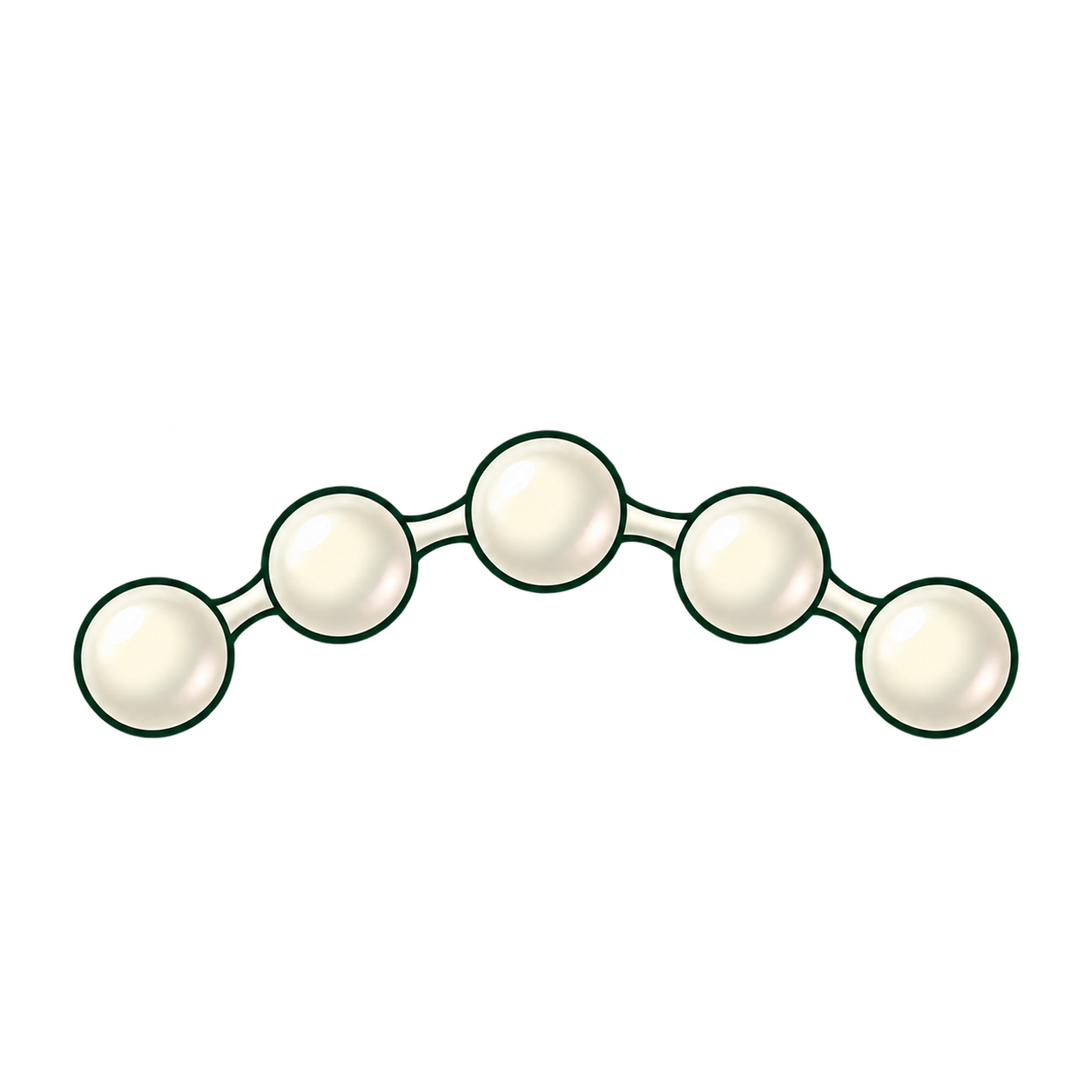
Link through peptide bonds
Proteins
One or more longer amino-acid chains folded into functional structures.
→
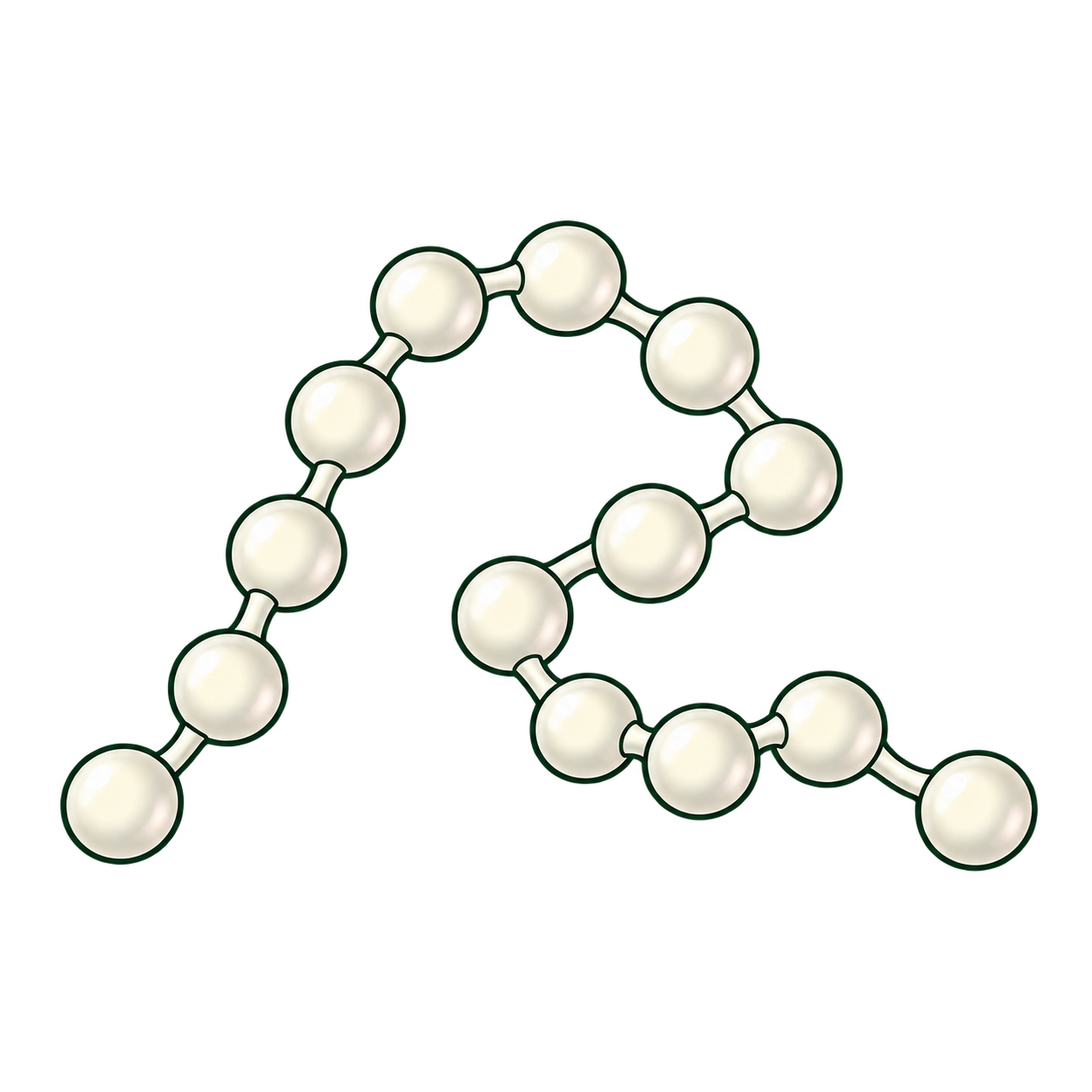
Longer chains fold
How do peptides work in the body?
A peptide’s activity depends on its structure, its biological target and the environment in which it acts.
Some peptides interact with receptors on cells, triggering signals that influence cellular activity. Others act through different mechanisms.
Changing the sequence or structure of a peptide can change how it behaves—which is one reason researchers study individual compounds rather than treating all peptides as alike.
Not every peptide acts in the same way.
Peptides and proteins share the same chemistry; the distinction involves chain length and structure.
Schematic illustrations; not to scale.
Why study Peptides?
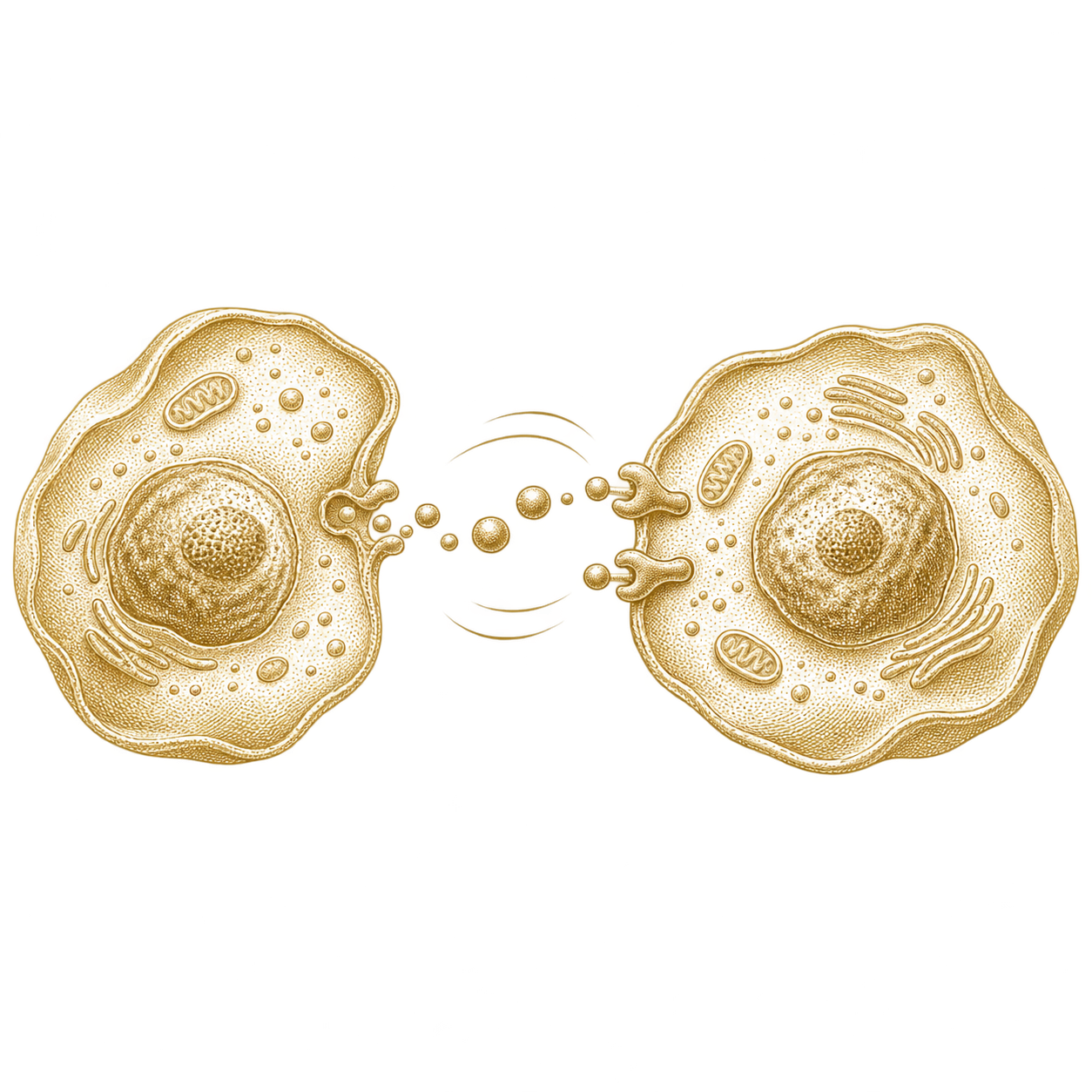
Cell Communication
Understanding how cells exchange signals and coordinate biological processes.
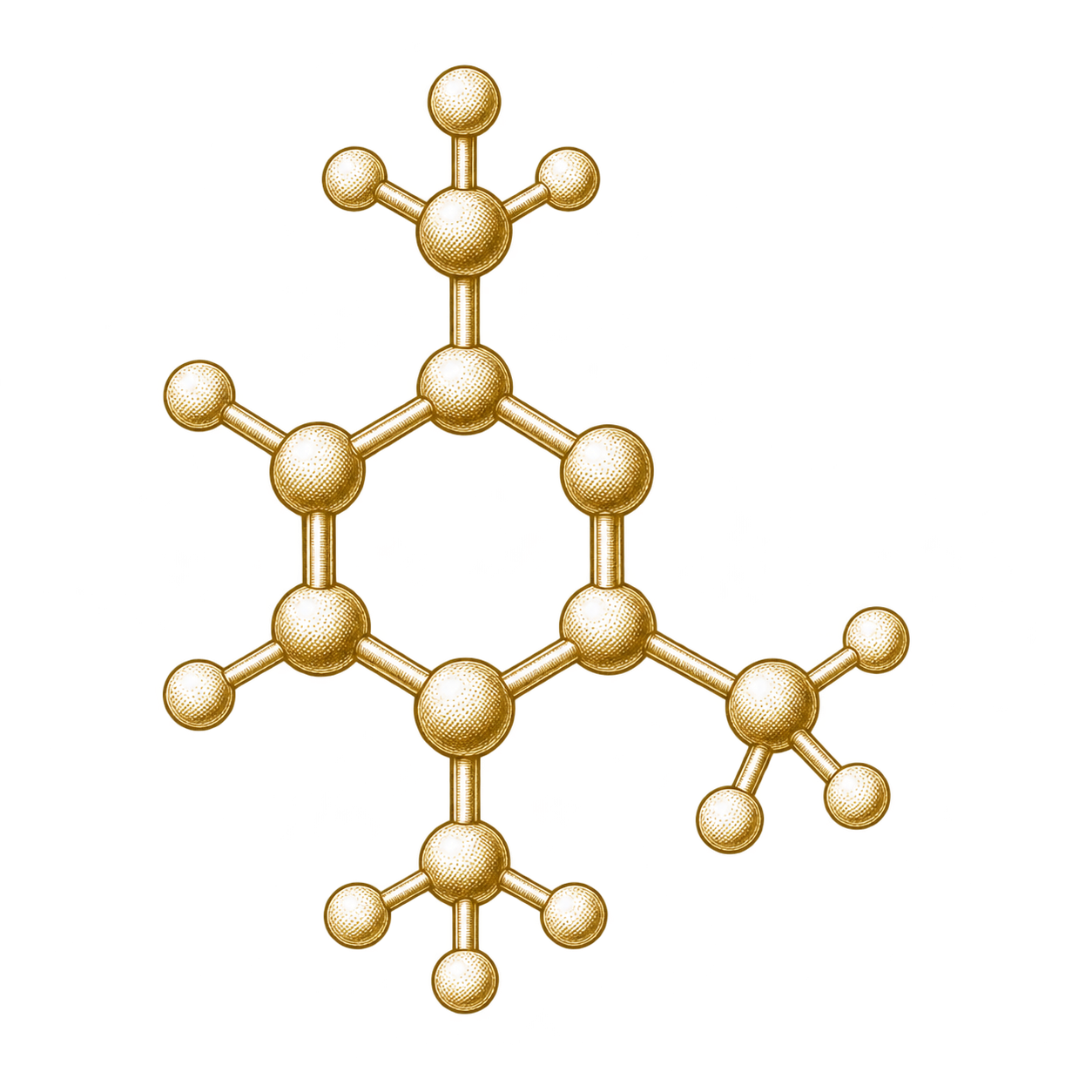
Molecular Design
Exploring how amino acid sequence and structure influence biological activity.
Drug Discovery
Investigating potential therapeutic candidates through laboratory and clinical research.
SELECTED RESEARCH
Harvard Health Publishing · July 2026
Peptides: What they are, potential benefits, and safety concerns.
An overview of peptide biology, established medical uses and the evidence gaps surrounding unapproved peptide injections.
SCIENCE & INSIGHTS
BBC NEWS · 1 MARCH 2026
Wellness peptide craze: Why people are injecting drugs ‘not for human consumption’
BBC News examines the rise of unregulated peptide injections, exploring social-media claims, gaps in human research and concerns about contamination and safety.
ACTA PHARMACEUTICA SINICA B · 2025
Progress in peptide and protein therapeutics: Challenges and strategies
A scientific review exploring the challenges of developing peptide and protein medicines, including stability and absorption, and the emerging technologies designed to improve their delivery.
Explore selected Studies and Interesting articles on peptide science and biological discovery.

Approved peptide medicines
AUTHORISED FOR SPECIFIC USES
• Clinical evidence and regulatory review
• Defined indications and prescribing information
• Regulated medicinal products
From research to approved medicines
UNDERSTANDING RESEARCH PEPTIDES

Investigational peptides
STILL UNDER SCIENTIFIC STUDY
• Laboratory, animal or human research
• Evidence varies between compounds
• Safety and effectiveness may remain uncertain
Peptides contribute to medicine and scientific discovery. Their evidence and approval status can differ.

Approval applies to the product—not just the peptide name.
Approval depends on the medicinal product, intended use and country. Research-grade products are not interchangeable with approved medicines.
Approved medicines can also remain subjects of ongoing research.

UNDERSTANDING THE EVIDENCE
A molecular mechanism is a starting point—not proof of a clinical benefit.
Laboratory studies, animal research and human trials answer different questions. Findings must be assessed in the context of the material, methods and outcomes studied.
Quality & Research Documentation
Clear documentation supports informed research decisions. Review molecular identity, batch details, storage requirements and available batch-specific Certificates of Analysis.
Analytical testing provides information about the sample tested. It does not establish clinical safety or suitability for human use.

Frequently Asked Questions
-
No. Some occur naturally in living organisms. Others are synthesised to reproduce a natural sequence or designed with modifications for particular research purposes.
-
Both consist of amino acids joined by peptide bonds. Peptides are generally shorter, while proteins typically contain longer chains folded into functional structures. The terminology can overlap.
-
No. A substance’s natural origin does not establish safety. Its effects depend on factors including quantity, formulation, exposure and biological context.
-
No. Different sequences and structures can produce very different biological activities. Evidence for one peptide cannot automatically be applied to another.
-
No. Analytical purity does not establish clinical safety, sterility or suitability for injection. These are separate questions requiring different evidence.
-
Visit our Certificates of Analysis page and match the product name and batch number to the material being reviewed.